

Beyond the Crime: The Humanity We Overlook
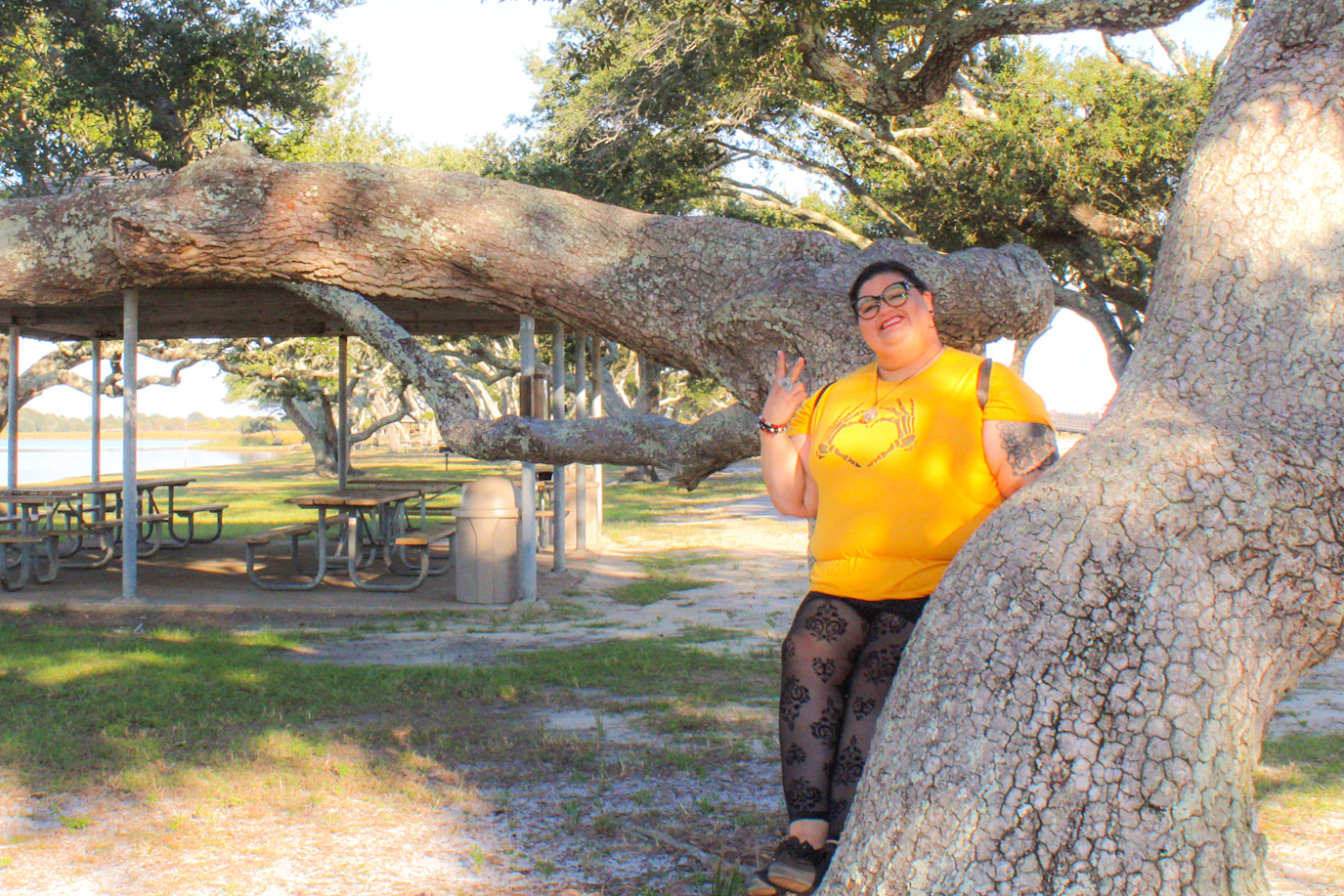
This all stemmed from a recent experience that triggered deep reflection on judgment and compassion.
I had shared a post about being kind to others—a reminder that you never know who might be a high spiritual being in disguise. In response, someone commented:
“Mother Teresa can become Saddam Hussein, but Saddam Hussein could never become Mother Teresa.”
That comment hit me hard.

It made me think about how quickly we divide people into categories of “good” or “evil,” deciding who’s worthy of compassion and who isn’t. It reminded me how deeply judgment can cut, especially when you’re trying to share a message rooted in kindness. It’s easy to dehumanize someone we believe is beyond redemption. But that’s exactly why I’m writing this—because I know what it feels like to be judged, and I believe every human being carries both light and shadow.
Have you ever stopped to ask why we judge so quickly? Why we cast verdicts after a headline or a single story? We all make mistakes—some more serious than others—but who decides which are forgivable? Why is it so hard for us to extend compassion to those we deem “unworthy”?

We often think we know someone based on what we see on social media, hear in the news, or pick up through gossip. But it’s all just a modern-day game of telephone—distorted stories passed from one person to the next until the truth is barely recognizable. We accept secondhand narratives as fact, forgetting we weren’t there to witness the full story ourselves. In doing so, we mistake fragments for the whole and opinion for truth.
Much like how the Bible and other ancient texts have been passed down—we accept stories written by people who lived centuries ago, even though none of us were there to witness those events firsthand. We believe in their accounts, their lessons, their truths—because they’ve been carried across generations. But just like that childhood game of telephone, even sacred stories can shift, bend, or be reshaped by time, translation, interpretation, and agenda.
We forget that most of what we “know” about others—whether historical figures, public icons, or even the people in our own communities—comes filtered through someone else’s lens. And yet we still cling to the belief that we know the full truth. But how much do we really know? And what are we choosing to believe, simply because it’s been repeated enough times to feel true?
The truth is, we project our own darkness onto others. It’s easier to judge than admit that we all have shadows. Sometimes, we even feel better about ourselves by villainizing someone else. But healing begins when we’re willing to face our own reflection.

Our unhealed wounds often show up as behaviors like people-pleasing, avoidance, perfectionism, fear of rejection or abandonment. We cope, project, and shame—and then judge others for the very things we haven’t faced in ourselves.

When I was judged for my past, I didn’t need condemnation—I needed compassion. I needed someone to see my mistake without defining me by it. I was already beating myself up. The judgment only deepened the wound.
Maybe you’ve wondered why I did what I did. Why I lied. Why I cheated. Why I hurt people. The answers vary. But does labeling one sin worse than another really serve healing?
I was arrested at 20 for petty theft. Old enough to know better, but too young to fully grasp the weight of that choice. I thought I was invincible. I blamed others at first—but it was my decision. The shame hit hard. In a family where gossip spreads fast, the judgment was brutal. It wasn’t a badge of rebellion for me. It was one of my rock bottoms.

Years later, that arrest haunted me. College applications asked: “Have you ever been convicted of a misdemeanor?” Job applications, too. I was an honors student, yet I feared my future was over. I felt like one mistake had defined my entire worth.
Even now, in healthcare, I see judgment before a patient ever says a word. A chart notes substance abuse, and the stigma begins. I’ve heard the comments. But I refuse to join in. A coworker once called me “Mother Teresa” for advocating empathy. Yes, some patients are difficult—but pain and withdrawal do that. They’re still human. They still deserve care.

Adultery? It’s everywhere. I hated my dad for cheating—then I did it, too. With someone who had just ended things with my friend. It doesn’t matter how close it was to the breakup. It was wrong. I had to sit with it, own it, and ask why. That’s where healing began.
And then there are the unforgivable things—rape, molestation, murder. These acts test the limits of our compassion.
I was molested as a child—by family members (not immediate). I’ve also carried sexual trauma from other lifetimes. I never got an apology. I’ve seen them at family functions, online, pretending it never happened. At first, I questioned myself—was it a dream? But no child dreams that. It was real. And it shaped my relationship with intimacy. Sometimes, I feel disconnected, unable to feel pleasure. My mind races. The trauma lives in my body.
Working in healthcare brought these wounds back to the surface. I’ve treated inmates. We’re told not to look up their charges—so we can remain objective. One patient was polite and motivated. Later, my coworker told me he was charged with child pornography and molestation. My stomach dropped. I stayed professional, but it tested my resolve. Soon after, his condition declined. I couldn’t see him for therapy anymore. He passed not long after. At the time, I didn’t know why our paths crossed. I do now.
Another man—elderly, withdrawn, wearing an ankle monitor. I didn’t ask. I assumed it was nothing. But curiosity got the best of me. He’d been convicted of molesting a child who was under his care. I read the girl’s statement. It mirrored my own experience. My heart sank. I judged him. I judged his wife for staying. But I also saw my reflection in that judgment.

It’s easy to let a single act define someone. But we’re more than our worst moments. Every human being holds complexity. And in our darkest places, what we need most is not punishment—but love, accountability, and healing.
What if we extended understanding to even those who’ve done the “unforgivable”? What might that shift in consciousness do for our collective healing?
In the spiritual community, compassion is often conditional—filtered through ego and comfort. The psyche finds ways to justify judgment. But isn’t that a form of spiritual bypassing?
Why can’t we strive to embody the love of those who came before us—Jesus, Buddha, Gandhi, Mother Teresa, Mandela? Not idolize them, but become more like them. Walk the walk. Not just talk about light—but become it.

Teaching emotional regulation is crime prevention. It’s how we break generational trauma. It’s suicide prevention. Addiction prevention. It’s how we stop raising adults who explode, shut down, or implode when life gets hard.

So many of us struggle with this. Emotional regulation isn’t something we’re born knowing how to do—it’s something we’re either taught or left to figure out through survival. And I know this intimately, because for most of my life, I didn’t know how to process my own anger. I’ve only truly begun to learn in recent years.
I used to carry a rage so loud it scared me. At the time, I didn’t fully understand it. But now I know: it stemmed from not speaking my truth. From feeling like my voice didn’t matter. I grew up in an environment where the adults ruled everything. You did what you were told. Your opinions weren’t welcomed—because you were “just a child” and “didn’t know better.” But that suppression doesn’t disappear—it festers. It stays buried in the nervous system, in the muscles, in the soul. And one day, it erupts.
For me, one of those eruptions happened during a fight with my mother. I cursed her out—something completely out of character for me. I felt myself slip into another state, like I had left my body. I was there, but not really there. It was as if something else had taken over—some wounded, unheard part of me that had been waiting too long to be acknowledged.
I stormed out of the house, tires screeching out of the driveway, blinded by emotion. I was in my late teens or early twenties. And truthfully? I could have hurt someone. I could have hurt myself. That’s how intense it was.
All of it—because I had never been taught how to hold that kind of pain… how to speak the truth behind the rage.
For days, even weeks afterward, I was consumed by guilt, shame, and embarrassment. I begged my mother for forgiveness. But instead of understanding, I was labeled the ungrateful child—for speaking my mind, even if it came out in the most unhealthy way.
The truth was, I was angry. Angry that she left me home with my younger brothers while she dated. Angry that I had to grow up too fast. I resented being forced into a role I didn’t ask for—becoming more of a mother than a sister. I carried their emotions like they were my own, translating their needs, their fears, their feelings… because I was the oldest, and no one else would.
I didn’t know how to process any of it. I just held it all in—until it erupted.
I saw that same unprocessed rage in someone I loved.
My ex’s anger often got him in trouble. And in the end, it’s what led to his death.
The events of that night changed everything. His belligerence and recklessness landed him in a hospital bed he never rose from. He spent two years there, until his body gave out.
But it wasn’t just a motorcycle accident, as the reports claimed. I’ve known all along it was more than that. His wounds didn’t match a typical crash. I felt it in my bones—there was trauma no one wanted to talk about.
There was anger on both sides that night—his and the arresting officers’. That moment altered all of their lives. I wonder if the guilt and shame they carry has festered into rage after all these years. I wonder how many others they’ve hurt. Or killed.
And for my ex, whose life ended at 40, his anger was the spark that made them respond the way they did. But even knowing the truth—even learning difficult things about his past—my love for him never changed.
Some truths were hard to swallow. They made me sick to my stomach at first. But love is more complicated than right and wrong. I saw his wounds. I saw the human underneath them. I wish he’d made a different choice that night. I wish he had known how to feel without exploding. I wish he was still here.
So when I see someone who has committed a violent act—especially something as devastating as murder—I feel sorrow. Not just for the victim, but for everyone involved. I think: What unspoken pain lived inside them? What moment pushed them past the point of no return?
Because I’ve seen red before. I know how easily one decision can change the course of a life. And I also know that pain doesn’t justify harm—but understanding the origin of that pain can help us prevent more of it.
When tragedies like these happen, I don’t just see punishment or headlines. I see lessons. I see soul contracts. I see turning points in the lives of everyone connected to the moment. Some of those lessons are brutal. Some shake entire families and communities. But I still believe there’s something to be gained—even in the devastation—if we’re willing to look deeper.

So many people are walking around with unprocessed pain. With voices that were silenced too soon. With emotions they were never taught to name, let alone express. And that silence turns into rage, into destruction, into shame.
But it doesn’t have to end there. We can learn to speak our truth before it burns everything down. We can learn to hold our anger without becoming it. We can raise future generations to understand their emotions, to own their choices, to respond—not react.
And maybe, just maybe, we’ll begin to break the cycle.
Emotional regulation isn’t a soft skill—it’s survival. It’s the cornerstone of a more compassionate society. One where people can disagree without destroying each other. Where accountability isn’t an attack. Where justice and mercy coexist.

So if you want to make a better world—start with emotional education.
When you catch yourself judging someone—a stranger, a friend, a politician—pause. Ask: What are they carrying that I can’t see? What pain might they be hiding?
This isn’t about excusing harm. It’s about remembering that judgment clouds empathy—and empathy is what heals.
Ask: What part of me is being triggered by this? What shadow is this reflecting back? Be honest, but kind with yourself. Judging others while denying our own imperfections is hypocrisy. Instead, meet your shadow with grace.
Every moment, we have a choice. Words can wound—or they can open a doorway to deeper healing. Pause. Reflect. Choose wisely.
Because maybe—just maybe—if we soften our edges and see the humanity in others, we’ll start to see the light that lives in the darkest corners of ourselves.


Comments